FOIA Appeals Are on the Rise: Is Your Municipality Prepared?
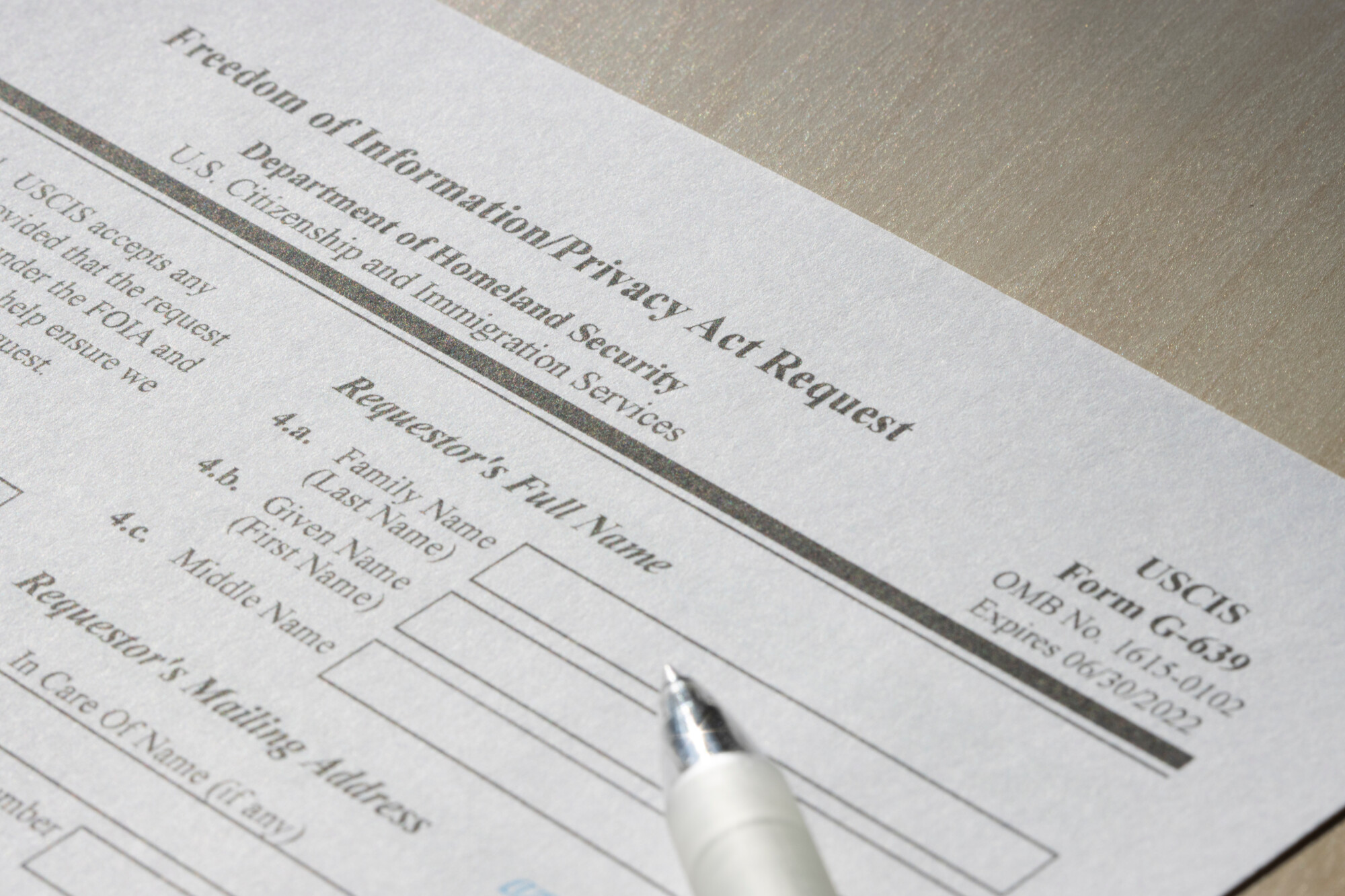 Michigan municipalities are accustomed to receiving requests under the Freedom of Information Act (“FOIA”). Increasingly, however, the initial request and response are not the end of the process.
Our municipal clients are seeing not only an increase in FOIA requests, but also an increase in requesters appealing denials and challenging the fees assessed to process those requests. For municipalities, this makes it more important than ever to ensure that FOIA responses are carefully prepared and that current procedures and guidelines are in place before an appeal is received.
Two Types of FOIA Appeals
Michigan’s FOIA provides different procedures depending on whether a requester is challenging a denial of records or the fee charged by the public body.
- Appeals of a Denial. When a public body denies all or part of a FOIA request, the requester may submit a written appeal to the head of the public body identifying the reasons the denial should be reversed. Alternatively, the requester may proceed directly to court. MCL 15.240(1). If an administrative appeal is filed, the head of the public body generally must respond within 10 business days by reversing the denial, upholding it, or reversing it in part and upholding it in part. Under unusual circumstances, the response period may be extended once for up to 10 business days. Special timing applies when the head of the public body is a board or commission.
- Appeals of a Fee. FOIA also provides a mechanism for challenging a fee that exceeds the amount permitted under the public body’s publicly available procedures and guidelines or Section 4 of FOIA. If the public body’s procedures and guidelines provide for a fee appeal to the head of the public body, the requester may file a written appeal explaining how the fee exceeds the permissible amount. The head of the public body generally has 10 business days to waive, reduce, or uphold the fee, or may issue one extension of up to 10 business days. A determination reducing or upholding a fee must identify the statutory basis supporting the fee and include the certification required by the Act.
These distinctions matter. A municipality receiving an appeal should first determine exactly what is being challenged, who must decide the appeal, when it is considered received, and what the resulting written determination must contain.
A Defensible Appeal Starts with the Initial Response
Many issues raised in a FOIA appeal can be avoided, or at least narrowed, through a careful initial response.
For example, when charging certain labor costs, FOIA limits the charge to the hourly wage of the lowest-paid employee capable of performing the particular task. The Act also imposes requirements concerning labor calculations, fringe benefits, detailed itemizations, deposits, and the circumstances under which certain costs may be charged.
Similarly, when records are withheld or redacted, the public body should make sure the asserted exemption actually applies to the particular records at issue and that the written response satisfies FOIA’s requirements. If the requester challenges the decision in court, the public body bears the burden of sustaining its denial.
In other words, municipalities should approach the initial FOIA response with the possibility of an appeal in mind.
Your FOIA Procedures and Guidelines Matter
FOIA requires a public body to establish procedures and guidelines implementing the Act and to create a written public summary explaining matters such as how to submit requests, understand responses, calculate fees and deposits, and pursue challenges and appeals. A public body with an official internet presence must also post and maintain those materials on its website. Importantly, a public body that has not established and made the required materials publicly available cannot require deposits or charge otherwise permissible FOIA fees until it complies.
That makes these documents more than an administrative formality.
Municipalities should periodically review their FOIA procedures and guidelines, written public summary, detailed itemization form, and standard response documents to make sure they remain consistent with current law and with the municipality’s actual practices. In particular, older policies may not account for statutory changes made after they were originally adopted. A current policy also gives the FOIA coordinator, clerk, administrator, and other municipal officials a consistent framework for handling requests before a disagreement develops into an appeal.
Be Prepared Before the Appeal Arrives
FOIA appeals move quickly. A municipality should not wait until an appeal is pending before determining who is responsible for the response, what procedures apply, or whether its fee methodology and standard forms comply with the Act.
A periodic review of the municipality’s FOIA documents and internal practices can identify problems before they become the focus of an appeal and can help municipal officials respond more consistently when difficult or voluminous requests arrive.
Foster Swift attorneys regularly assist cities, villages, townships, counties, authorities, libraries, and other public bodies with FOIA compliance, including reviewing and updating FOIA procedures and guidelines, advising on responses to complex requests, calculating permissible fees, and evaluating exemptions, and assisting with responses to appeals. For assistance with FOIA requests or appeals, or to have your municipality’s FOIA policies and procedures reviewed for compliance with current law, contact Mallory Reader.